
Money
Money
Money

The silent co-pilot

Dashcams are more powerful and affordable than ever before. For that long road trip or your daily commute, here’s what to look out for.

“Look out!” Whether you’re cruising around the corner to the shops, inching your way through a traffic jam, or heading down the wide-open freeway, it’s the single most important rule of the road.


That's why it's a good idea to have a driving companion to help you keep an eye on where you're going. And we're not just talking about your trusty back-seat driver.


We’re talking about a highly useful automotive accessory that has come a long way since Officer Galbraith of the California Highway Patrol mounted a motion-picture camera on the dashboard of his patrol car in 1939, to capture traffic violations for later use in court.


Today’s dashcams are small wonders, capable of recording HD video with crystal clarity, either as a record of your journey, or as an eye-witness to any troubles, incidents, or problems you may encounter along the way.


Once the exclusive preserve of long-distance truckers and fleet drivers, dashcams are now ubiquitous on the South African market.
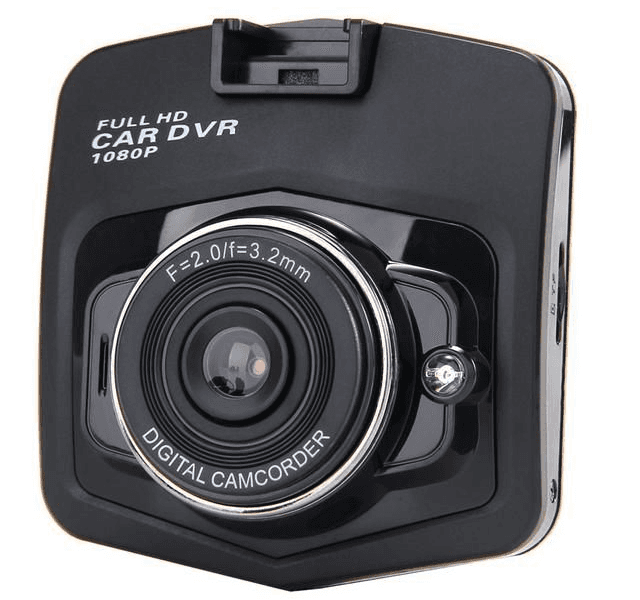
The good news is that they’re also more affordable than ever, with a basic 1080P model selling for just R269 on Takealot.
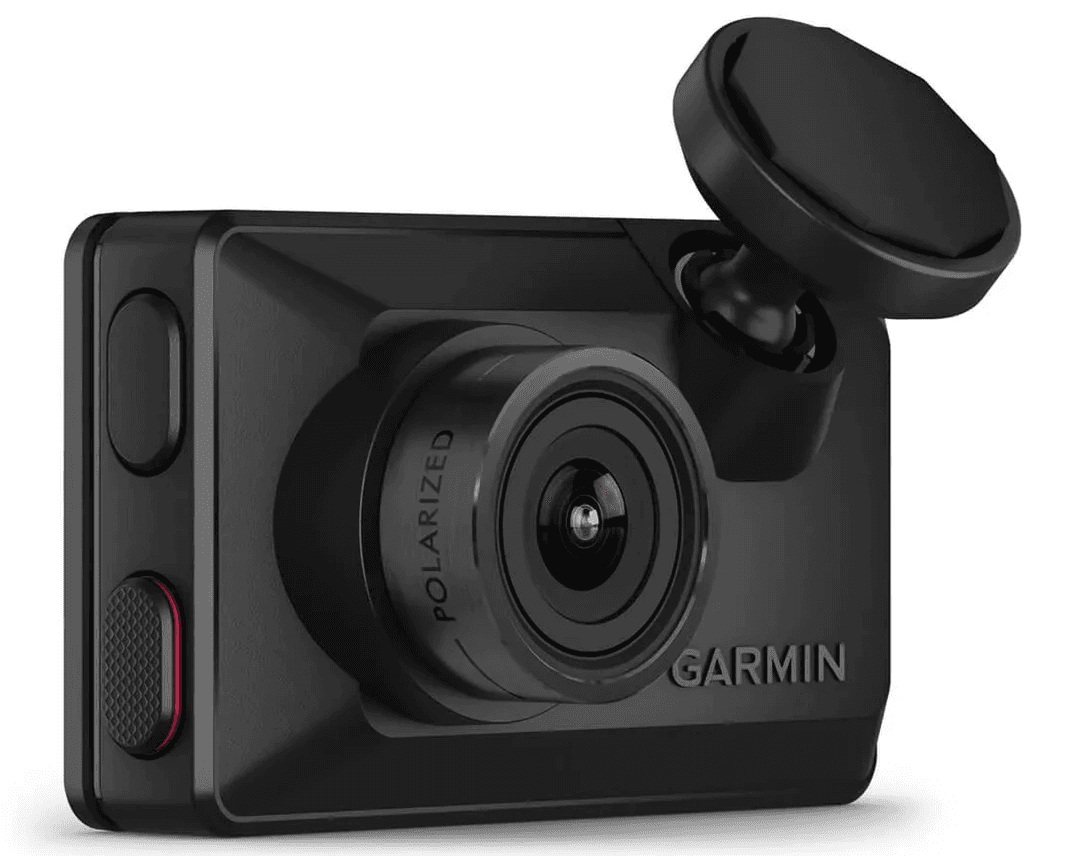
On the other end of the scale, you can splash out just under R9,000 for the Garmin Dash Cam X310, which features a touchscreen display, 4K ultra HD video, automatic incident detection, voice control, and an app-based “parking guard” that alerts you to tampering when you’re away from your vehicle.


If you're in the market for a dashcam for your daily commute or your next holiday road trip, here’s what to look out for.


Picture clarity: seeing is believing


The first thing that separates a decent dashcam from a dud is video quality. You’ll want at least Full HD (1080p) resolution.


Many newer models offer 2K or even 4K recording, which makes it easier to capture number plates and small details in low light.


A wide dynamic range (WDR) helps balance shadows and highlights, while night vision or low-light sensors are essential for evening drives.


Look for models with a wide field of view (around 140–170 degrees) to ensure the camera captures not just the road ahead, but also the pavements and side lanes—where surprises often happen.


Memory matters


A dashcam that records in high resolution will chew through storage space, so make sure your camera supports loop recording, which automatically overwrites the oldest footage when the card is full.


A microSD card of at least 64GB is a good starting point, but check the camera’s maximum supported capacity. Some can handle up to 256GB.


If you plan to use your dashcam for long road trips or scenic drives, it’s worth finding a memory card that allows manual saving, so you can lock or protect specific clips from being deleted.


Parking protection


Incidents and accidents can happen even when you’re not in your car.


A dashcam with parking mode uses motion detection or an internal gravity sensor to record automatically if someone bumps or tampers with your vehicle while it’s parked.


Some even have time-lapse recording, capturing hours of footage in a compact format.


You’ll need a hardwiring kit for this feature to work when the engine is off, as most cigarette-lighter ports shut down with the ignition.


It’s a small installation job that can save a lot of headaches.


Dual cameras: front and rear coverage


A dual-channel dashcam records what’s happening in front of you, and what’s behind. Useful if someone rear-ends you or cuts you off.


Rear cameras can be mounted on the rear window or integrated into the same unit with a wide-angle lens.


Unless you’re ride-sharing, you probably won’t need a triple-channel dashcam, which adds an inward-facing camera to record the cabin.


Connectivity and convenience


Some high-end dashcams come with built-in Wi-Fi or Bluetooth, allowing you to transfer clips directly to your phone.


That means you can quickly share footage with your insurer or the police after an incident.


And some feature GPS tracking, to automatically log your route, speed, and location, which can strengthen your case for an insurance claim.


Power and endurance


Dashcams rely either on a built-in battery or a supercapacitor for backup power. Batteries are fine for short-term use, but they can degrade in high temperatures.


Check whether the dashcam powers up automatically when you start the car, and shuts down when you switch off.


You don’t want to fiddle with little buttons when your focus should be on the road.


Peace of mind


Many insurance companies accept dashcam footage to support claims, in the event of a collision, theft, or altercation. It’s always best to confirm with your insurer first.


For extra security and peace of mind, consider a model with cloud backup or 4G connectivity, so your footage is uploaded in real time.


Safe travels!


A good dashcam is like a silent co-pilot, never blinking, never arguing, and always remembering what really happened.


The best choice for you depends on your driving habits, budget, and level of comfort with technology.


Whether you’re protecting yourself against insurance disputes, documenting a long-haul trip down the Garden Route, or just keeping a digital eye on Joburg’s morning chaos, a dashcam is one of the smartest travel companions you can have.


And the rule of the road still stands. Look out, for yourself, your passengers, and the stories the road will tell when you’ve got your dashcam rolling.

BrightRock Life Ltd is a licensed financial services provider and life insurer.

Company registration no: 1996/014618/06, FSP 11643. Copyright © December 2025 BrightRock.

All rights reserved. Terms and conditions apply.

BrightRock Life Ltd is a licensed financial services provider and life insurer.

Company registration no: 1996/014618/06, FSP 11643. Copyright © December 2025 BrightRock.

All rights reserved. Terms and conditions apply.

BrightRock Life Ltd is a licensed financial services provider and life insurer.

Company registration no: 1996/014618/06, FSP 11643.

Copyright © December 2025 BrightRock.

All rights reserved. Terms and conditions apply.